3 Aug 2026
Bristol Illegal Casino Probe Results in Two Arrests Under UK Gambling Rules

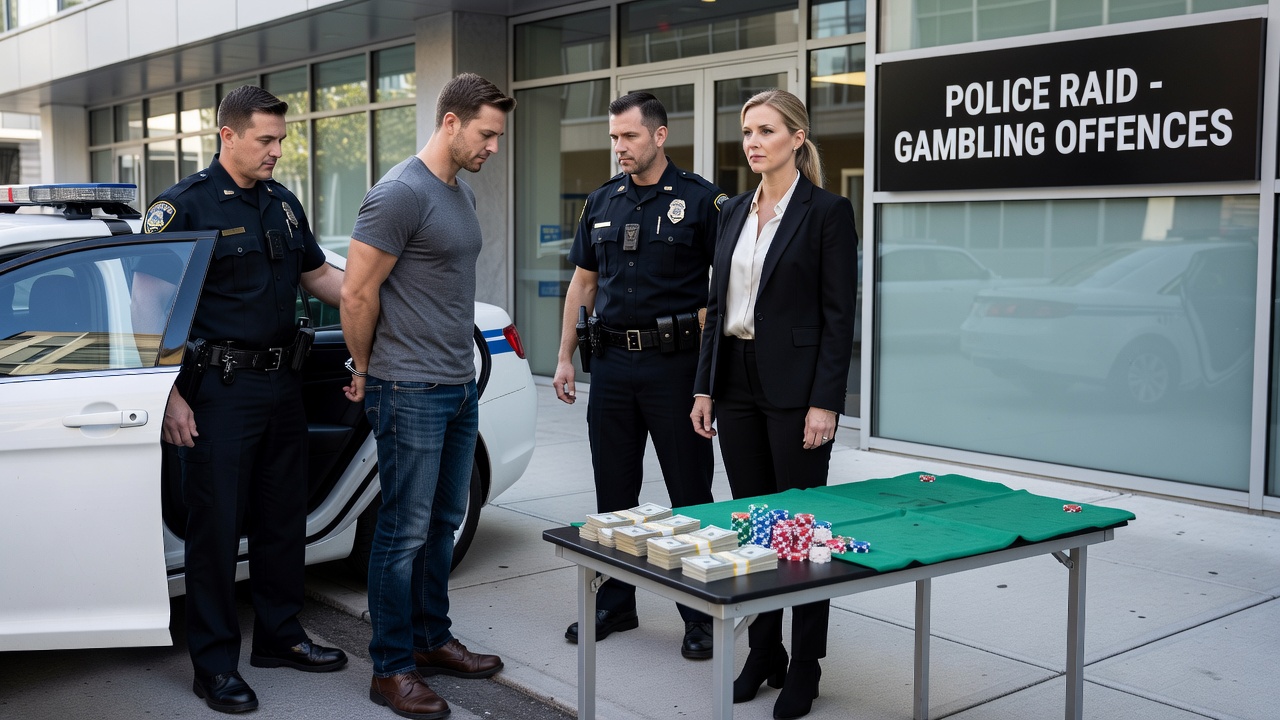
The UK Gambling Commission has confirmed that two individuals were taken into custody during an active inquiry into an unlicensed casino site in Bristol and this action forms part of broader efforts to address illegal gambling venues that operate without required permits or oversight from the regulatory body.
Details of the Enforcement Action
According to the commission's public statement the arrests target unlicensed gambling activity at a location in Bristol yet no additional information on formal charges or case resolutions has been released at this stage and the investigation continues without further public updates. The commission noted that such operations fall outside the legal framework established under the Gambling Act 2005 which requires all casino-style activities to hold appropriate licenses before they can accept participants or process any form of wagering.
Those who have followed commission reports over recent years know that unlicensed sites often lack standard consumer protections including age verification measures and fair play protocols and this case in Bristol aligns with ongoing monitoring that intensified through 2026 as regulators tracked reports of hidden venues operating in various UK regions. Data from the commission shows that enforcement teams coordinate with local police forces to identify and disrupt these activities while the agency continues to publish summaries of its interventions on its official news portal.
Regulatory Context and Commission Role
The Gambling Commission serves as the primary authority responsible for licensing and supervising gambling operators across Great Britain and its mandate includes investigating complaints about illegal sites as well as pursuing enforcement where venues operate without authorization. In this Bristol matter the agency highlighted that the targeted activity involved an illegal casino which by definition means the premises provided gambling services absent the necessary approvals and this distinction matters because licensed operators must adhere to strict standards on advertising player funds and dispute resolution.
Observers note that announcements like this one typically appear on the commission's news section and they serve to inform the public about enforcement priorities without disclosing operational details that could affect ongoing inquiries. The agency has previously explained that it works within legal bounds to gather evidence before making arrests and in many instances these actions lead to further proceedings handled by the courts rather than the regulator itself.
What's interesting here is how the commission structures its public communications to focus on the fact of the arrests while withholding specifics and this approach allows investigations to proceed without interference from premature disclosures. Those who've studied similar cases understand that unlicensed casinos can range from small private setups to larger hidden operations yet the legal consequences remain consistent under current statutes which prohibit any form of commercial gambling without a license.
Broader Implications for Gambling Oversight
Enforcement actions such as the one reported in Bristol contribute to the commission's wider strategy of maintaining integrity across the gambling sector and they demonstrate how regulators respond when intelligence points to illegal venues operating in urban areas. The announcement referenced in the commission's update does not provide timelines for next steps but it does underscore the agency's commitment to acting on reports of non-compliant activity wherever it surfaces.
People who track regulatory developments often see these updates as indicators of where resources are being directed and the Bristol case joins a pattern of interventions aimed at curbing unlicensed operations that could otherwise expose participants to unregulated environments. The commission has made clear through its guidance documents that operators must obtain licenses before offering any casino games or related services and failure to comply can result in criminal proceedings initiated by law enforcement partners.
Turns out the lack of further details in the initial report is standard practice because premature release of information might compromise evidence collection or witness cooperation and this method keeps the focus on the enforcement outcome rather than speculative elements. According to the linked commission page on illegal casino arrests the agency continues to accept tips from the public about suspected unlicensed sites and it evaluates each report before deciding on appropriate responses.
Conclusion
The arrests in Bristol represent one concrete step in the UK Gambling Commission's ongoing work to address unlicensed gambling venues and they illustrate how the regulator collaborates with police to enforce licensing requirements under existing law. As the investigation proceeds additional information may become available through official channels though the initial announcement limits itself to confirming the detentions and the nature of the targeted activity. This approach ensures that enforcement remains effective while the public receives factual updates on regulatory actions taken in 2026 and beyond.